
It's one of the cruelest situations in Florida home improvement: you paid tens of thousands of dollars for solar, the panels are sitting on your roof — and they have never produced a single watt. The company that sold you the system stopped answering the phone. Meanwhile, your city is fining you every day for a permit that was never closed.
Here's the most important thing to know: your system is almost certainly salvageable, and those fines can usually be cleared.
1. This Happens More Often Than Anyone Admits
Over the last few years, a wave of door-to-door solar sellers moved through Florida neighborhoods promising to erase electric bills. Many took large deposits — or full payment — then disappeared, went out of business, or simply abandoned jobs halfway through.
The pattern is almost always identical:
- A salesperson knocks and promises a $0 electric bill
- Panels get mounted on the roof
- A permit is pulled but never closed out
- The company vanishes before inspection and interconnection
- The homeowner is left with a dead array and an open permit
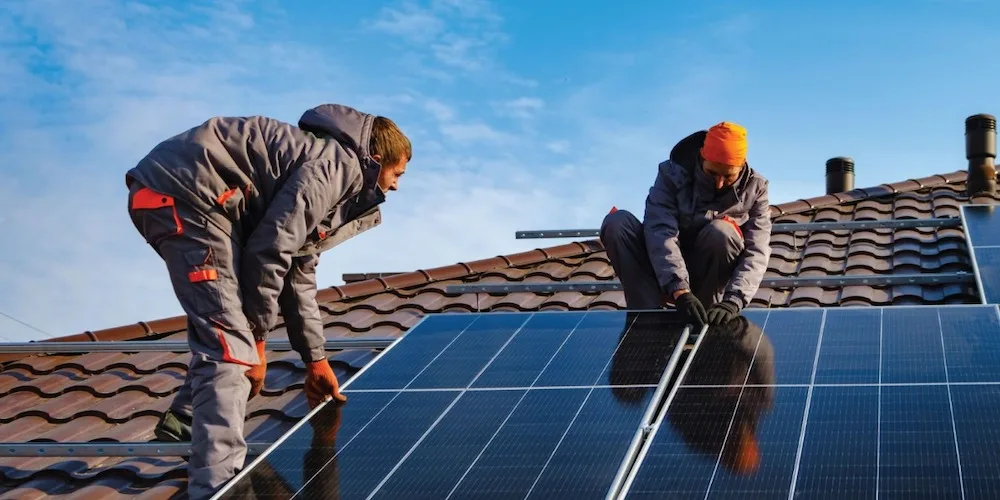
The panels are the easy part. The paperwork is what strands people.
2. Why an Unfinished Job Turns Into Daily Fines
This is the part homeowners never see coming. When a contractor pulls a permit and walks away, that open permit doesn't just sit there quietly — it becomes a code violation. Cities then levy fines that accrue every single day the job stays unfinished.
In July 2026, WSVN 7News's Help Me Howard covered exactly this: a Coral Springs couple who spent roughly $65,000 on 42 panels, only to watch their installer walk away. Their city began fining them $100 a day and raised the possibility of removing the panels. Five years passed with no power. As the segment's attorney explained, once the original contractor walks, the homeowner is forced to find a new contractor willing to work with the existing equipment and the city — and a good one can help get the fines reduced. You can watch that story here.
3. The Good News: A New Contractor Can Take It Over
Most homeowners assume the only option is to rip everything out and start over. That's rarely true. A licensed contractor can generally:
- Inspect and test the existing equipment to see what's usable — usually most of it
- Transfer the permit into their own company's name
- Complete the remaining work to bring the system up to code
- Schedule and pass inspections with the city
- Finalize the utility interconnection so the system actually turns on
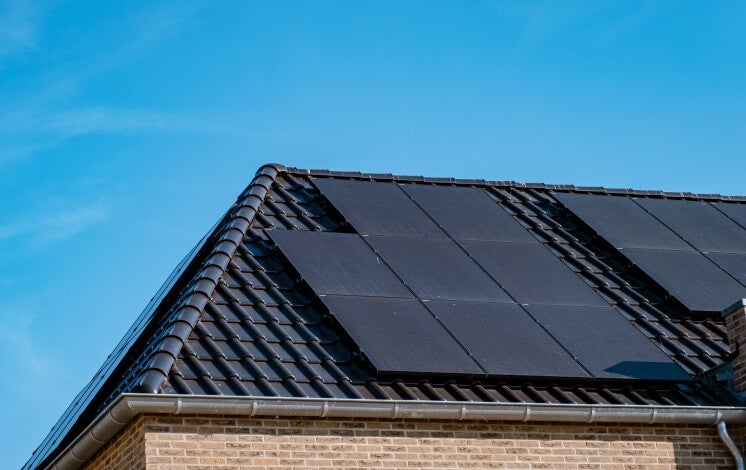
Most abandoned arrays are salvageable — the equipment just needs to be finished, inspected and switched on.
In that WSVN segment, Justin Talmadge stepped in for the couple. He got the existing panels operational and closed out the permit with the city — and once the permit was properly transferred and inspected, thousands of dollars in accumulated fines were waived for a small administrative fee. The couple finally had working solar, just in time for their 62nd wedding anniversary.
Justin is the South Florida installer for The Clean Power Experts, and this kind of rescue work has become a large part of what he does. As he put it on the segment: "They just went door to door and took advantage of nice people."
4. What the Rescue Process Actually Looks Like
Every abandoned job is different, but the path forward is consistent:
- Assessment. We inspect the array, mounting, wiring and electrical work to confirm what meets code.
- Permit review. We find out what's open with your city and what fines have accrued.
- A written plan. A clear scope — what needs finishing, what needs replacing, and what it costs.
- Permit transfer & completion. We move the permit into our name and carry the work through inspection.
- Interconnection. We handle the utility agreement so your system can legally produce and net meter.
If parts of your system do need replacing, we use the same equipment we install for every customer: black-on-black panels, Enphase IQ8 microinverters, and Enphase and Franklin battery storage — backed by 25–30 year warranties.
5. What About the Fines?
This is the number one fear, and it's usually the best news. Cities generally aren't trying to punish homeowners — they want the violation resolved. Once a licensed contractor takes over the permit and passes inspection, the violation goes away, and municipalities are frequently willing to waive the accrued penalties.
The amount and process vary by city, so we can't promise a specific outcome. But the fines almost always stop the moment the job is properly closed out — which is why acting sooner costs less than waiting.
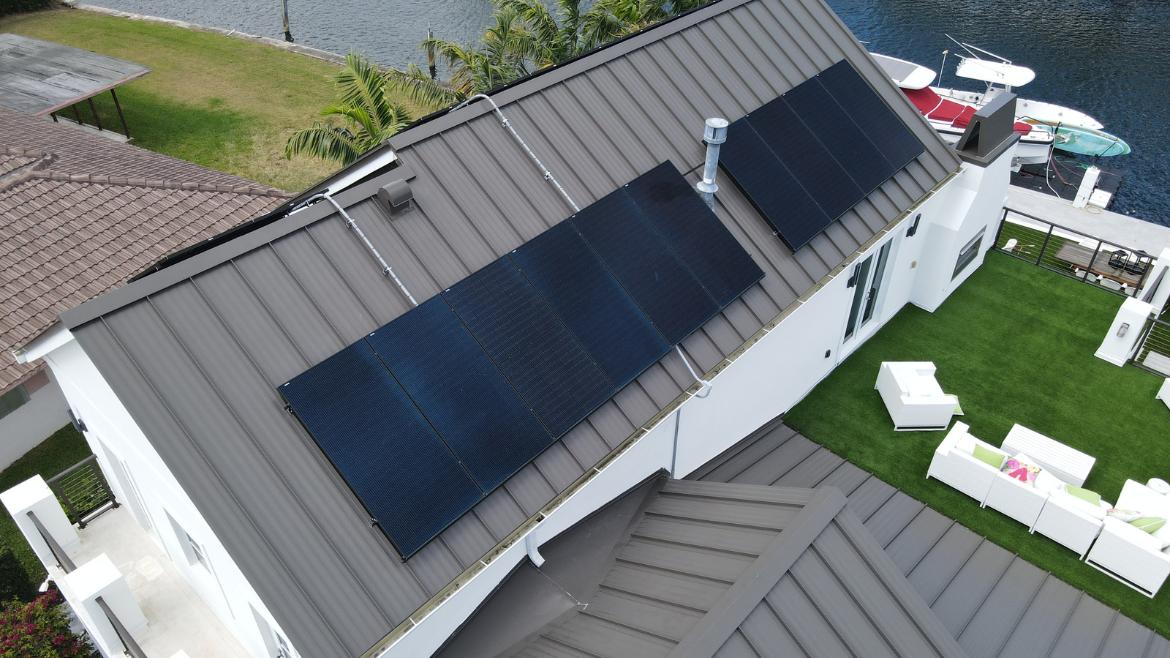
A finished, inspected and interconnected system in Palm Beach County.
6. How to Avoid This in the First Place
Whether you're starting fresh or finishing someone else's mess, the same rules protect you:
- Never buy solar from a door-to-door pitch you didn't go looking for.
- Verify the license and insurance — of the company, not just the salesperson.
- Check real credentials like NABCEP accreditation and RESNET certification.
- Ask who pulls the permit — and who is responsible for closing it.
- Be skeptical of "$0 electric bill" promises. Honest installers give real numbers.
- Use a local company with a physical address you can drive to.
We serve homeowners across South Florida, from Stuart to Hollywood — with our own licensed, NABCEP-accredited crews.
Let's Get Your Panels Turned On
If you have solar on your roof that has never produced power — or a permit hanging over your head — don't let another month of fines pile up. Bring us the situation, however messy. We'll tell you honestly what's salvageable, what it takes to close it out, and what it costs.
Request your free property energy efficiency evaluation and let's finally get your system doing what you paid for.