

bidirectional ev chargers

Your Vehicle Is Now Part of Your Energy System

Charging your car is no longer just about plugging in.

With the right setup, your EV becomes part of your property’s energy — storing, using, and even supplying power when needed.
bidirectional ev chargers

Bidirectional (V2H) EV Chargers in Florida

Your Vehicle Is Now Part of Your Energy System

Where energy systems work together

How Everything Connects

Modern energy systems work together:
Future-proof charging solutions

Built with Proven Technology

Enphase Bidirectional EV Charger

Vehicle-to-Home (V2H) capability
Charge and send power back when needed
Works seamlessly with solar and battery systems

Smart Energy Integration

Optimized charging based on usage
Reduced energy cost
Efficient system performance
Charging solutions for every environment

Designed for Real-World Use

Residential Properties

Commercial Properties

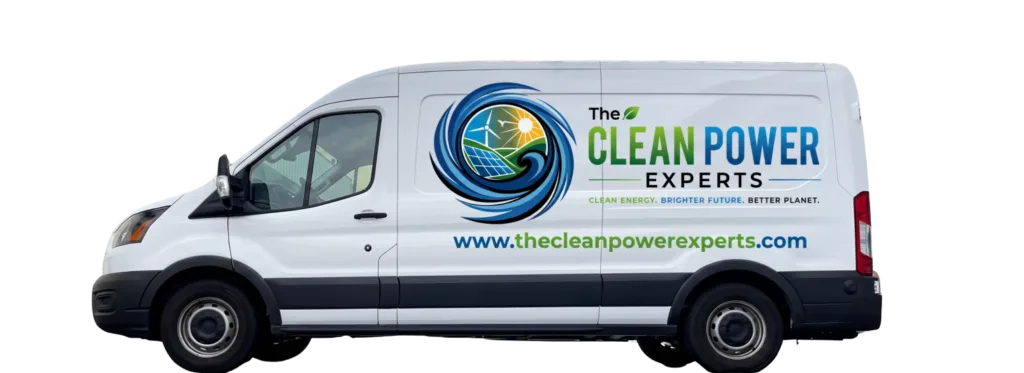
The Clean Power Experts branded service van

Step Into the Next Generation of Energy

Upgrade your charging setup and connect your entire system.
The future of connected energy

What This Unlocks Through Personalized Care

Home Upgrades & Installation

Frequently Asked Questions

Everything you need to know before booking. Don't see your question? We're one phone call away.

01 What is a bidirectional EV charger?

A bidirectional charger allows your electric vehicle to both receive power and send it back to your home or system when needed.

02 Can my EV really power my home?

Yes, with the right setup (V2H), your EV can act as a backup power source during outages or peak demand periods.

03 How does EV charging work with solar systems?

Your solar system can generate electricity to charge your vehicle, reducing reliance on the grid and lowering charging costs.

04 Is EV charging suitable for commercial properties?

Yes, scalable EV charging solutions can support fleets, businesses, and multiple users with efficient energy management.

05 Will installing an EV charger increase my energy bills?

Not necessarily—when integrated with solar and smart energy systems, it can actually reduce overall energy costs.

Home Upgrades & Installation

Frequently Asked Questions

1. What is a bidirectional EV charger?
A bidirectional charger allows your electric vehicle to both receive power and send it back to your home or system when needed.
2. Can my EV really power my home?
Yes, with the right setup (V2H), your EV can act as a backup power source during outages or peak demand periods.
3. How does EV charging work with solar systems?
Your solar system can generate electricity to charge your vehicle, reducing reliance on the grid and lowering charging costs.
4. Is EV charging suitable for commercial properties?
Yes, scalable EV charging solutions can support fleets, businesses, and multiple users with efficient energy management.
5. Will installing an EV charger increase my energy bills?
Not necessarily—when integrated with solar and smart energy systems, it can actually reduce overall energy costs.

Request Your Free Property Energy Efficiency Evaluation

See how much you could save with a customized property energy assessment.

1
2
1
2
Clean Power Experts technician in branded uniform and hard hat

What bidirectional charging changes

A conventional EV charger moves energy one way. A bidirectional charger can also pull energy back out of the vehicle, which turns a car battery into the largest energy store most households will ever own. A typical EV pack holds several times the capacity of a standard home battery, so vehicle-to-home capability is a serious answer to a multi-day Florida outage rather than a novelty.

What has to be true for it to work

How it fits with solar and storage

The strongest configuration in Florida is solar plus a modest fixed battery plus bidirectional charging. The fixed battery handles the frequent short outages and daily time-shifting without touching your car. The vehicle becomes the reserve for extended events. Solar recharges both during daylight, which is what makes a genuinely multi-day outage survivable rather than a matter of rationing.

Permits, interconnection and code

Bidirectional installations require an electrical permit and, because the equipment is capable of exporting or islanding, utility interconnection approval on the same basis as solar and storage. Equipment must be listed to the applicable UL standards for interconnection and for the inverter function. Coastal and High-Velocity Hurricane Zone jurisdictions add product approval and mounting requirements for exterior installations. We pull the permits, submit the interconnection application and schedule the inspections.

Short answer: Bidirectional (V2H) EV chargers let your vehicle store, use, and send power back to your property, working alongside solar and battery storage as part of one connected energy system.

Thank you! Your request has been received. We will contact you shortly.

scroll to top