

Attic Insulation

Stop Heat From Taking Over Your Property

In most properties, heat enters and escapes through the attic.

That means your HVAC system works harder, your comfort drops, and your energy bills increase.
Attic Insulation

Attic Insulation in Florida

Stop Heat From Taking Over Your Property

Control your power, reduce costs

Where the Problem Starts

Without proper insulation:
The attic becomes the biggest source of energy loss.
TRUSTED TECHNOLOGY, SMART ENERGY STORAGE

Before Vs After Insulation

Before
Heat buildup in attic
Uneven temperatures
Higher energy bills
After
Controlled attic temperature
Balanced indoor climate
Lower operating costs
Built for homes and businesses

Designed for Real-World Use

Residential Properties

Commercial Properties

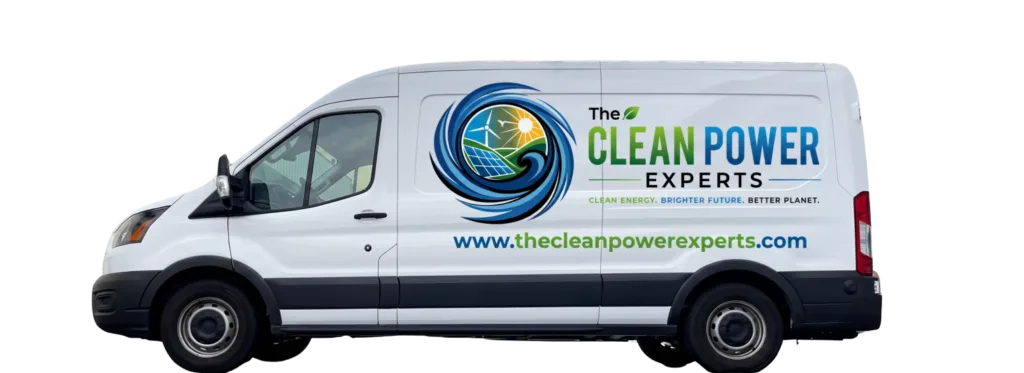
The Clean Power Experts branded service van

Control Heat at the Source

Upgrade your insulation and improve how your property performs from the top down.
BUILT FOR HOMES AND BUSINESSES

Designed For Real-World Use

Residential

Residential Properties

More consistent room temperatures
Lower heating and cooling costs
Improved comfort year-round
Commercial

Commercial Properties

Better climate control across large spaces
Reduced energy usage
More efficient system performance
Noticeable energy and power upgrades

How Proper Insulation Fixes It

With the right insulation setup, your property becomes more stable and efficient:
It’s one of the simplest upgrades with the biggest impact.
Home Upgrades & Installation

Frequently Asked Questions

Everything you need to know before booking. Don't see your question? We're one phone call away.

01 Why is attic insulation important?

Attic insulation helps control heat transfer, keeping your property cooler in summer and warmer in winter while reducing energy usage.

02 How do I know if my attic needs insulation?

Common signs include uneven indoor temperatures, high energy bills, and your HVAC system running longer than normal.

03 How does insulation reduce energy costs?

Proper insulation prevents heat loss and gain, so your HVAC system doesn’t have to work as hard, which lowers energy consumption.

04 What type of insulation do you use?

We use high-performance insulation materials designed for durability, efficiency, and long-term thermal control.

05 How long does attic insulation last?

Quality insulation can last 20–30 years or more, depending on material type and installation conditions.

Home Upgrades & Installation

Frequently Asked Questions

1. Why is attic insulation important?
Attic insulation helps control heat transfer, keeping your property cooler in summer and warmer in winter while reducing energy usage.
2. How do I know if my attic needs insulation?
Common signs include uneven indoor temperatures, high energy bills, and your HVAC system running longer than normal.
3. How does insulation reduce energy costs?
Proper insulation prevents heat loss and gain, so your HVAC system doesn’t have to work as hard, which lowers energy consumption.
4. What type of insulation do you use?
We use high-performance insulation materials designed for durability, efficiency, and long-term thermal control.
5. How long does attic insulation last?
Quality insulation can last 20–30 years or more, depending on material type and installation conditions.

Request Your Free Property Energy Efficiency Evaluation

See how much you could save with a customized property energy assessment.

1
2
1
2
Clean Power Experts technician in branded uniform and hard hat

Why Florida attics are the biggest single energy loss

A dark shingle roof in Central Florida reaches 150 to 160 degrees on a July afternoon. The attic beneath it sits somewhere between 120 and 140. Every duct run, air handler and ceiling plane in that space is fighting a temperature difference of sixty degrees or more against a house you are trying to hold at 75. Insulation is what slows that transfer down, and in most Florida homes built before the mid-2000s there is nowhere near enough of it.

What adequate actually means here

Current Florida energy code targets roughly R-38 in vented attics for new construction. A large share of the existing housing stock we inspect measures somewhere between R-11 and R-19, often with the insulation compressed, displaced by storage, or missing entirely over sections where someone ran wiring or replaced an air handler. Depth is only part of it. Coverage matters as much as thickness.

Materials we use and when

What changes afterwards

The measurable outcomes are shorter AC runtimes, a smaller gap between upstairs and downstairs temperatures, and a system that finally dehumidifies properly because it is no longer fighting a losing battle. It is also the cheapest way to reduce the size of a future AC or solar system, which is why we usually recommend doing it before either.

Short answer: Most heat gain and loss in Florida properties happens through the attic. We install insulation that keeps conditioned air where it belongs, reducing HVAC strain and energy bills.

Thank you! Your request has been received. We will contact you shortly.

scroll to top