

South Florida Solar, Battery Backup & Roofing: 10 Things Homeowners Should Know Before Choosing a Contractor
South Florida homeowners are looking for more than just lower electric bills. Rising utility costs, hurricane preparedness, aging roofs, power outages, and the growing demand for battery backup have changed the way people think about home energy.
Quick answer: The best energy solution today is rarely solar alone. It typically means evaluating solar, battery storage, roofing, electrical capacity, and HVAC together as one system, and choosing a contractor who can manage all of it — not just sell panels.
Today, the best energy solution is often not just solar panels. It may include solar, battery storage, roofing, electrical upgrades, HVAC improvements, and energy-efficiency measures working together as one system.
At The Clean Power Experts, we help homeowners and businesses evaluate the complete picture before deciding what makes the most financial and practical sense.
Here are 10 important areas South Florida property owners should understand before moving forward.
1. Choosing the Right Solar Company in South Florida
Searching for a solar company in South Florida can produce dozens of results, but solar companies are not all structured the same way.
Some companies primarily sell solar contracts and outsource nearly everything after the sale. Others may specialize only in installation. A stronger approach is working with a company that can evaluate your roof, electrical system, energy consumption, battery requirements, financing options, and long-term service needs together.
Before hiring a solar company, ask:
- Who is responsible for engineering and permitting?
- Who installs the equipment?
- Who services the system after installation?
- What happens if the roof needs replacement later?
- Who handles utility interconnection?
- What equipment manufacturers are being proposed?
- Who do you call if something stops working?
The lowest price per watt does not always result in the lowest long-term cost.
2. Solar Installation in Fort Lauderdale
Homeowners looking for a solar company in Fort Lauderdale should pay particular attention to roof condition, wind exposure, electrical capacity, shading, and annual energy usage.
A properly designed solar system should be based on actual consumption — not simply the number of panels that happen to fit on the roof.
South Florida homes can also have complex roof configurations, including:
- Shingle roofs
- Standing-seam metal roofs
- Tile roofs
- Flat roofing systems
- Homes with combinations of multiple roofing materials
Solar design and roof design should therefore be evaluated together whenever possible.
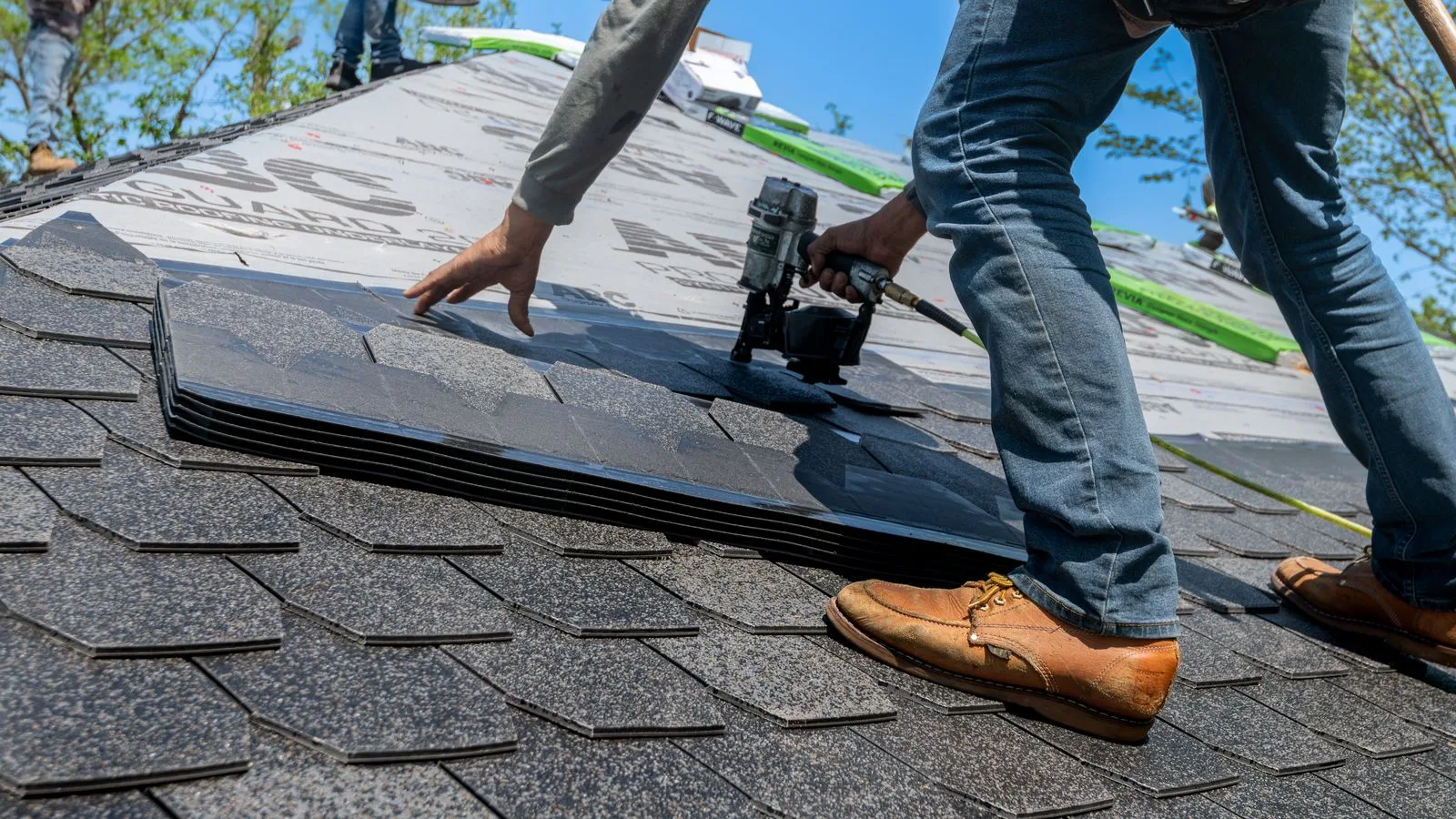
If a roof is approaching the end of its useful life, installing solar first and replacing the roof later can result in unnecessary solar removal and reinstallation expenses.
3. Solar Panels for Boca Raton Homes
When searching for a solar company in Boca Raton, homeowners should look beyond the initial system price.
Solar is a long-term energy investment.
A professional solar analysis should consider:
- Current annual electricity consumption
- Expected future electricity usage
- Utility-rate increases
- Roof orientation
- Shading
- Equipment efficiency
- System degradation
- Future EV charging
- Pool equipment
- HVAC upgrades
- Battery storage
- Expected length of home ownership
A system designed around today’s energy usage may become undersized if the homeowner later adds an electric vehicle, pool heater, larger air-conditioning system, or additional family members.
Good solar planning leaves room for the future.
4. Solar Installation in Delray Beach
Residents searching for a solar company in Delray Beach often have another important consideration: backup power.
Solar panels by themselves generally do not provide whole-home power during a utility outage unless the system has equipment specifically designed to operate during outages.
That is where battery storage becomes important.
A properly engineered solar-and-battery system can help provide power for selected loads such as:
- Refrigeration
- Lighting
- Internet
- Security systems
- Garage doors
- Medical equipment
- Selected receptacles
- Air conditioning or dehumidification
- Well pumps or pool equipment when properly designed
The goal is not simply to install the largest battery possible. The goal is to match available battery capacity to the homeowner’s actual priorities.
5. Solar Battery Installation in South Florida
Interest in solar battery installation in South Florida has increased substantially because homeowners increasingly want energy independence and protection during outages.
Battery storage can provide several benefits.
It can store energy produced by solar panels during the day and make that electricity available later. It can also provide backup power when utility service is interrupted.
Battery systems can be configured for:
- Essential-load backup
- Partial-home backup
- Whole-home backup
- Solar self-consumption
- Hurricane preparedness
- Extended outage protection
The right design depends on how much electricity the home uses and which appliances the homeowner expects to operate during an outage.
Battery sizing should be calculated — not guessed.
6. FranklinWH Battery Installation in South Florida
Homeowners researching a FranklinWH installer in South Florida are usually looking for more advanced whole-home energy management rather than just a small backup battery.
Systems such as the FranklinWH aPower platform can be designed to integrate solar generation, battery storage, utility power, and selected backup loads.
Depending on the project design, multiple batteries may be used to increase both storage capacity and available power.
Before selecting any battery system, homeowners should evaluate:
- Usable battery capacity
- Continuous output
- Surge capability
- HVAC startup requirements
- Solar recharge capacity
- Installation location
- Expandability
- Warranty
- Monitoring
- Generator compatibility where applicable
Battery equipment is only one part of the system. Proper engineering and load management are equally important.
7. Whole-Home Battery Backup in South Florida
A home battery backup system in South Florida should be designed around what happens after the utility goes down.
For example, a homeowner may say, “I want to back up the whole house.”
But the better question is: What do you want operating during an extended outage?
A typical priority list may include:
- Air conditioning and dehumidification
- Refrigerator and freezer
- Lighting
- Internet and communications
- Security systems
- Garage-door operation
- Selected outlets
- Pool or well equipment
- EV charging only when sufficient energy is available
Load management allows a properly designed system to protect the most important circuits without unnecessarily oversizing the battery bank.
Solar production becomes especially valuable during longer outages because the panels can help recharge the batteries each day when weather conditions allow.
8. Solar Repair in South Florida
There are thousands of solar systems throughout Florida that were installed by companies that have since closed, changed ownership, or stopped servicing older customers.
Homeowners searching for solar repair in South Florida may be dealing with problems such as:
- Solar system not producing
- Inverter faults
- Microinverter failures
- Monitoring problems
- Communication failures
- Damaged wiring
- Roof leaks near solar attachments
- Broken panels
- Failed electrical equipment
- Production significantly below expectations
A malfunctioning solar system should be diagnosed before equipment is automatically replaced.
Sometimes the problem is relatively simple. In other situations, older equipment may need to be repaired, upgraded, or replaced.
The Clean Power Experts can evaluate existing solar systems even when we were not the original solar contractor.
9. Solar Panel Removal and Reinstallation for Roof Replacement
One of the most overlooked solar services is solar panel removal and reinstallation in South Florida.
When a home with existing solar needs a new roof, the panels normally need to be temporarily removed.
This process is commonly called Solar R&R — Removal and Reinstallation.
Proper solar R&R typically involves:
- Safely shutting down the solar system
- Removing panels and associated equipment
- Protecting or storing the equipment
- Allowing the roofing contractor to complete the roof
- Installing new solar mounting hardware where required
- Reinstalling the solar array
- Testing the electrical system
- Confirming system production
This is one reason homeowners considering solar should evaluate roof life before installing the original solar system.
Replacing an aging roof first may eliminate the cost and inconvenience of removing the solar array a few years later.
10. Combining Roof Replacement and Solar in South Florida
For many homeowners, the smartest solution is handling the roof replacement and solar project together.
A coordinated roof-and-solar project can simplify:
- Engineering
- Scheduling
- Solar attachment planning
- Waterproofing
- Electrical design
- Permitting
- Financing
- Contractor communication
Standing-seam metal roofing can be especially attractive for solar because certain mounting systems can attach directly to the metal seams without traditional penetrations through the roof surface.
Shingle roofs also work extremely well with solar when installed with properly engineered flashing and mounting systems.
The key is coordination.
The roofer should understand where solar will be installed, and the solar contractor should understand the roofing system underneath it.
Solar Is Becoming a Complete Energy Strategy
The future of residential energy is not simply putting solar panels on a roof.
The most effective systems increasingly combine solar generation, battery storage, efficient HVAC, roofing, electrical infrastructure, and energy management.
A homeowner replacing a roof today may be preparing that home for solar tomorrow. Someone installing solar today may want batteries several years from now. Someone replacing an air-conditioning system may significantly reduce the amount of solar and battery capacity required to operate the home.
Every part of the energy system affects the others. That is why we prefer to evaluate the entire property rather than simply selling individual products.
Talk With The Clean Power Experts
If you are considering solar panels, battery backup, a new roof, solar repair, or a complete home-energy upgrade anywhere in South Florida, we can help you compare the options and determine what makes the most sense for your property.
Frequently asked questions
What is solar R&R (removal and reinstallation)?
Solar R&R is the process of safely removing an existing solar array so a roof can be replaced, then reinstalling the panels once the new roof is complete, including testing the system to confirm it’s producing normally again.
Do solar panels keep my home powered during an outage?
Not by themselves. Standard grid-tied solar shuts off during a utility outage for safety reasons, so whole- or partial-home backup requires battery storage and equipment specifically designed to operate independent of the grid.
Should I replace my roof before or after installing solar?
If a roof is nearing the end of its useful life, it’s usually more cost-effective to replace it first, since installing solar on an aging roof can mean paying to remove and reinstall the array a few years later.
What is a FranklinWH battery system?
FranklinWH is a whole-home battery platform, such as the aPower system, that can integrate solar generation, battery storage, utility power, and selected backup loads, with multiple units used on larger projects to increase capacity.
How do I choose the right solar company in South Florida?
Look for a company that handles engineering, permitting, installation, and long-term service together, rather than one that outsources most steps after the sale, and ask directly who you’ll call if something needs to be serviced.