

What Roof Types Hold Up Best in Florida’s Climate?
Short answer: metal, concrete tile, and high-quality architectural shingle roofs are among the more common choices in Florida because of how they handle heat, heavy rain, and wind, though the right choice depends on your home, budget, and local code requirements.
Quick answer: Florida roofs need to hold up to intense sun, heavy rain, and hurricane-force wind, which is why materials like metal, concrete tile, and rated architectural shingles are common choices, each with different cost, lifespan, and maintenance tradeoffs.
What Florida’s climate demands from a roof
Roofs in Florida face a combination of intense UV exposure, frequent heavy rain, high humidity, and wind-load requirements under the Florida Building Code, which is more demanding than many other regions of the country.
This is why roofing decisions here often weigh durability and wind rating alongside upfront cost and appearance.
Comparing common roofing materials
Metal roofing is valued for its durability and wind resistance and can also simplify solar mounting, particularly with standing seam profiles. Concrete tile is durable and long-lasting but heavier and typically costlier to install.
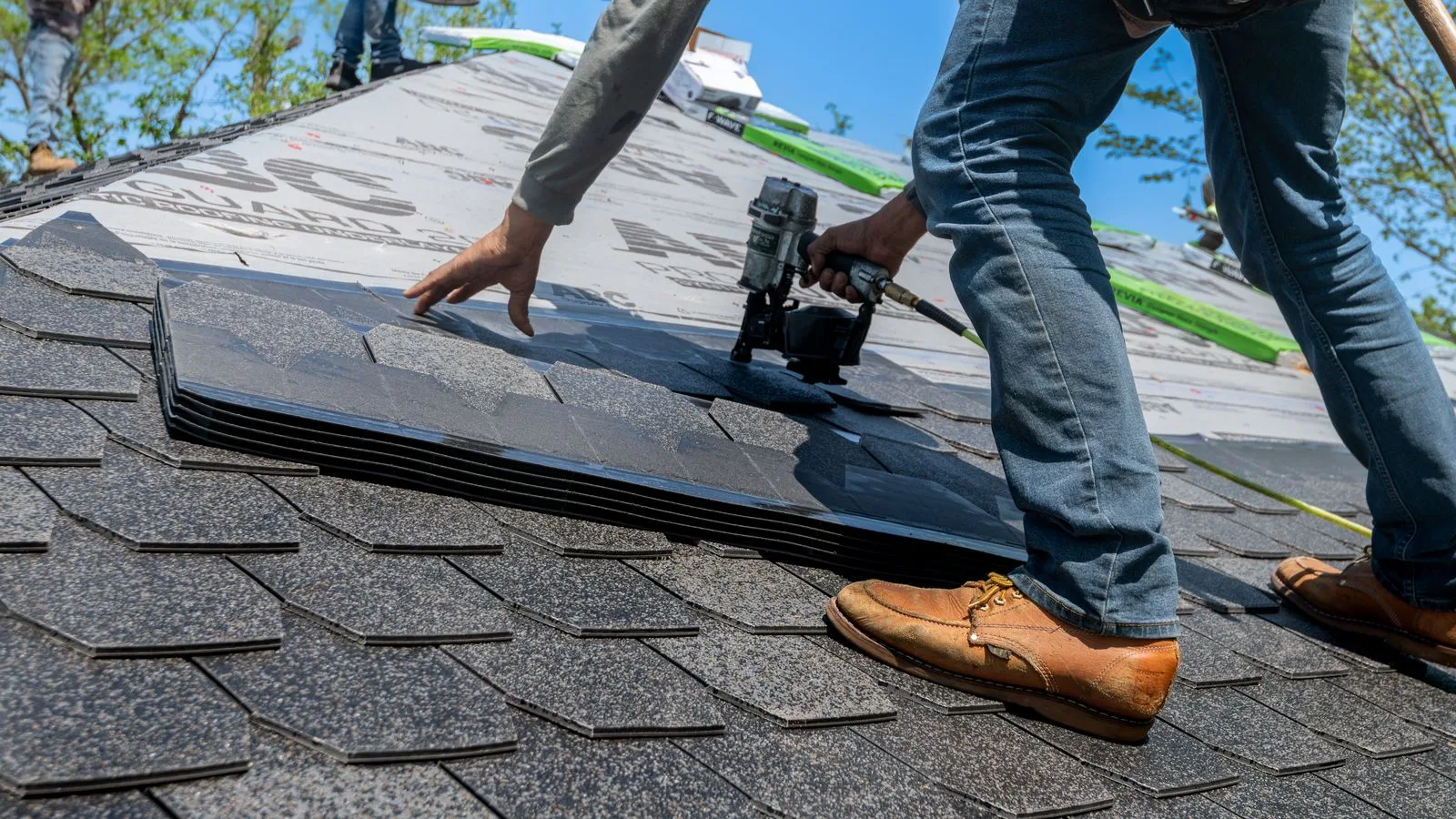
Architectural shingles rated for high wind can be a more budget-friendly option while still meeting Florida code requirements, though their typical service life is often shorter than metal or tile.
How roofing decisions connect to solar and other upgrades
If you’re planning solar, battery storage, or other roof-mounted systems, it’s worth factoring your roof’s age and remaining service life into the timing of those upgrades to avoid removing and reinstalling equipment later.
Your installer can help you sequence a roof replacement and solar installation together if your roof is nearing the end of its service life.
See what solar and battery storage would actually do for your home
We will pull your last 12 months of utility data, model your real consumption, and show you exactly what a system would cost and produce — no obligation, no pressure.
Frequently asked questions
Is metal roofing the best choice for Florida?
It’s a strong option for many homes due to durability and solar-mounting compatibility, but the best choice depends on your budget, home style, and any HOA or code requirements specific to your property.
How long do Florida roofs typically last?
Lifespan varies significantly by material, installation quality, and maintenance, so it’s best to ask a roofing professional about the specific expected service life for the material you’re considering.
Does my roof need to meet special wind requirements in Florida?
Yes, Florida Building Code includes wind-load requirements that vary by location, with High-Velocity Hurricane Zones like Miami-Dade and Broward having additional requirements.
Should I replace my roof before adding solar panels?
If your roof is nearing the end of its service life, it’s generally worth addressing roof replacement first to avoid the cost of removing and reinstalling solar equipment later.
Does roofing material affect solar installation cost?
Yes, mounting hardware and labor requirements vary by roof type, which is why solar proposals are based on your specific roof rather than a generic estimate.
Related guides
- Roofing systems
- Should you replace your roof before installing solar?
- Can you install solar panels on a metal roof in Florida?
- Solar systems
- Get a free energy evaluation
Figures on this page are typical industry averages for planning purposes and assume Florida’s 14.5¢/kWh average residential rate and 5.5 peak-sun hours per day. Your actual numbers will differ based on your utility, roof, and system — request a free evaluation for figures specific to your home.