
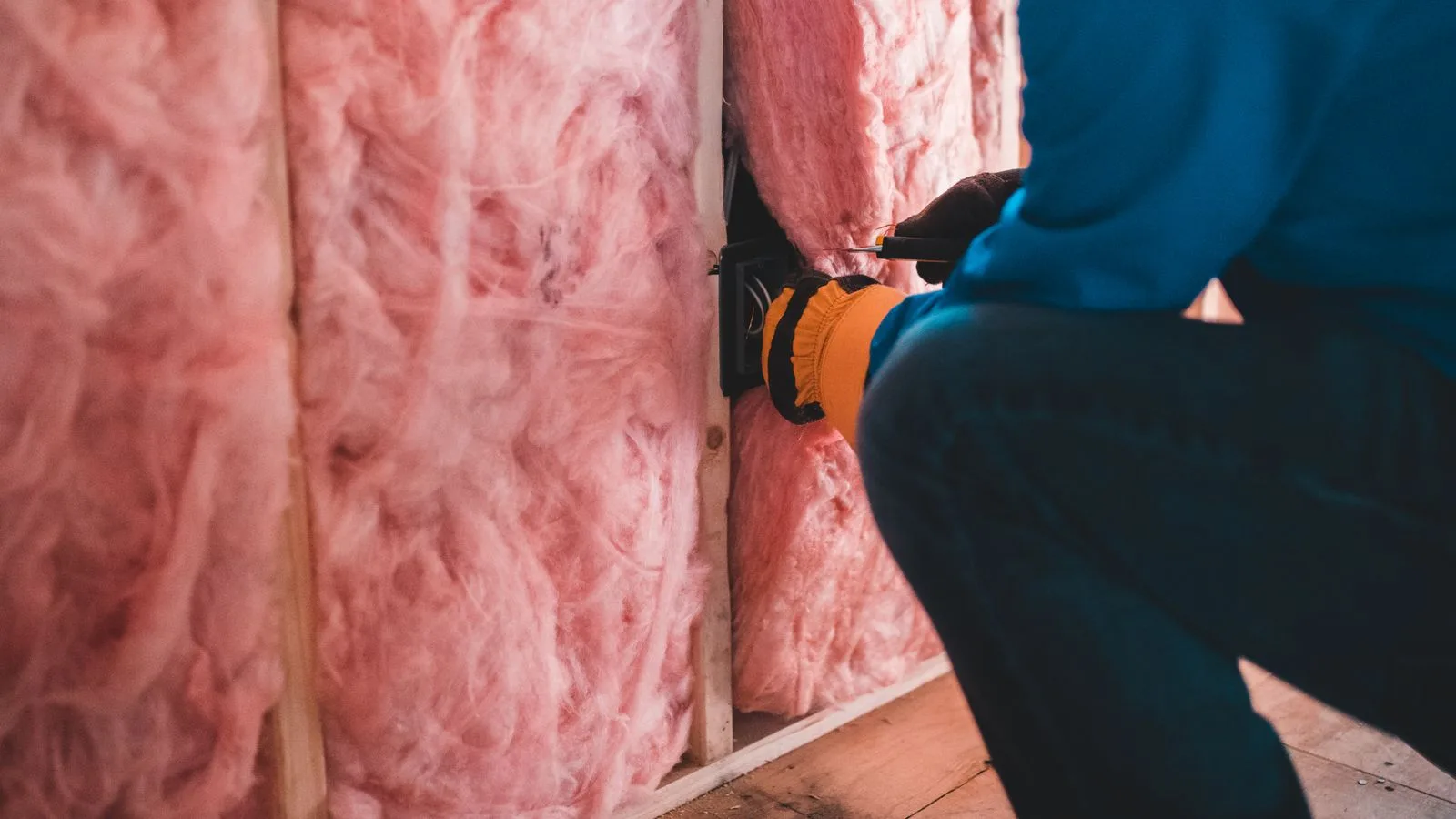

How Much Attic Insulation Do You Need in Florida?
Short answer: recommended attic insulation levels in Florida are generally lower than in colder climates but still meaningful for keeping heat out of your living space, with the right amount depending on your home’s construction and current insulation condition.
Quick answer: Attic insulation in Florida is primarily about slowing heat transfer into your home from a hot attic, and the right amount depends on factors like your home’s age, roof type, and how much insulation, if any, is currently in place.
Why insulation matters even in a hot climate
It’s a common misconception that insulation is mainly for keeping heat in during winter. In Florida, insulation’s main job is slowing heat from a very hot attic from radiating down into your living space during summer.
Homes with inadequate or settled insulation often see their air conditioning working harder than necessary to maintain a comfortable indoor temperature.
How to know if your current insulation is enough
Insulation can settle, shift, or degrade over time, and older homes may have been built with less insulation than current recommendations, so it’s worth having your attic assessed rather than assuming existing insulation is adequate.
An assessment typically involves checking insulation depth and type in different areas of the attic, since coverage can be uneven, especially around vents, ductwork, and attic access points.
How insulation pairs with other attic upgrades
Insulation is often considered alongside attic ventilation, including solar attic fans, since the two address heat buildup differently â insulation slows heat transfer while ventilation removes hot air directly.
Sealing air leaks around the attic floor, such as at light fixtures or plumbing penetrations, is also often addressed at the same time as insulation upgrades for a more complete improvement.
See what solar and battery storage would actually do for your home
We will pull your last 12 months of utility data, model your real consumption, and show you exactly what a system would cost and produce — no obligation, no pressure.
Frequently asked questions
How do I know if my attic insulation is inadequate?
Signs can include uneven indoor temperatures, higher summer cooling bills, or visibly thin or settled insulation, though a professional attic assessment gives the clearest picture.
Does adding attic insulation reduce my cooling costs?
It can help, especially if current insulation is notably below recommended levels, though the specific savings depend on your home’s overall construction and current condition.
What type of insulation is commonly used in Florida attics?
Common options include blown-in fiberglass or cellulose and batt insulation, with the right choice depending on your attic’s structure and any existing insulation.
Should I add insulation or a solar attic fan first?
They address different things, so many homeowners evaluate both together rather than choosing one over the other, since insulation and ventilation can complement each other.
How long does attic insulation typically last?
Insulation can settle or degrade over time depending on material and attic conditions, so periodic assessment is worth doing even if insulation was added years ago.
Related guides
- Attic insulation
- Attic insulation vs. radiant barrier
- Solar attic fans
- Home solar, battery and EV charging in Florida
- Get a free energy evaluation
Figures on this page are typical industry averages for planning purposes and assume Florida’s 14.5¢/kWh average residential rate and 5.5 peak-sun hours per day. Your actual numbers will differ based on your utility, roof, and system — request a free evaluation for figures specific to your home.