
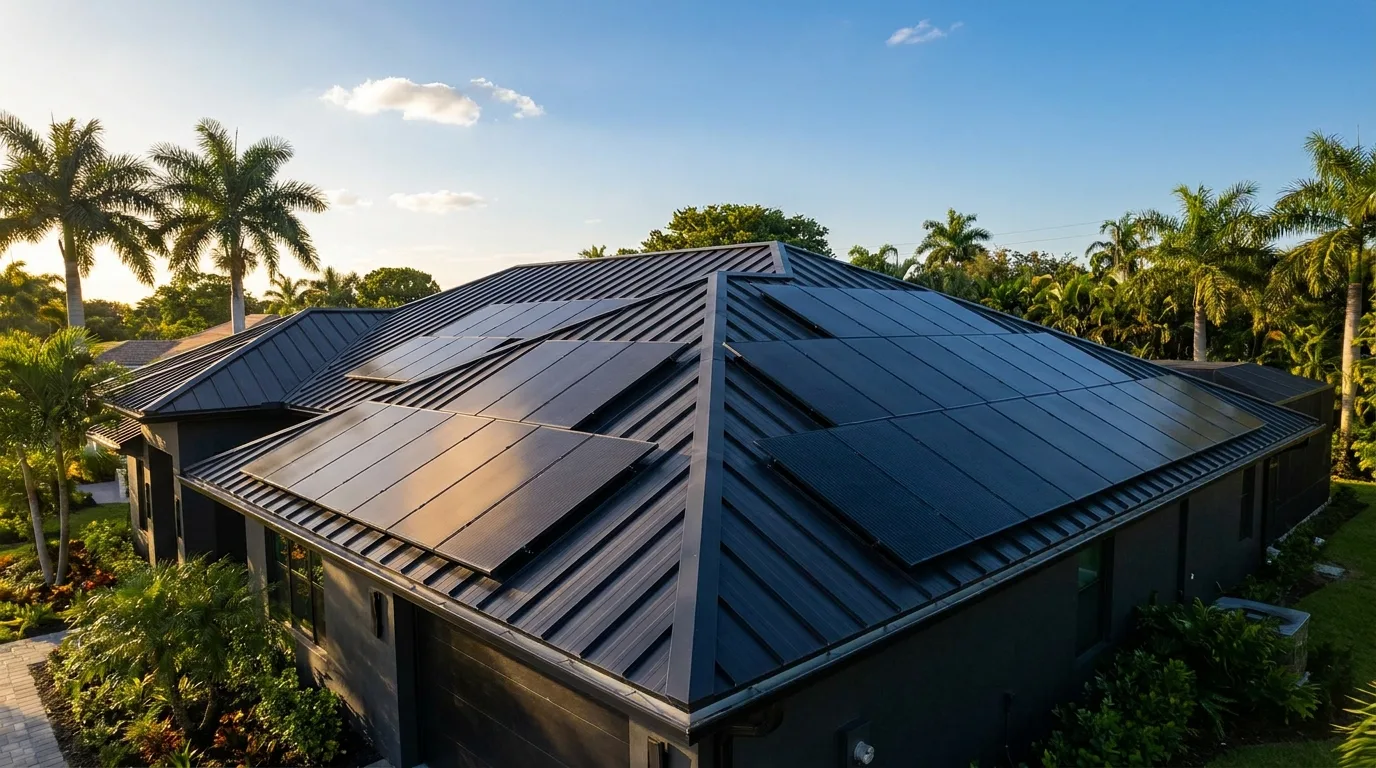

What Happens to Solar Panels During a Hurricane?
Short answer: properly installed panels are engineered and permitted to Florida’s wind-load building code and generally hold up well, but installation quality and mounting matter enormously in an actual storm.
Quick answer: Florida requires solar installations to meet specific wind-load engineering standards as part of permitting. Panels rated and installed to code are built to withstand hurricane-force winds common in the state, though no roof-mounted equipment is guaranteed to survive a direct, severe hit.
This is a fair and common concern in Florida, and it deserves a straight answer rather than either blanket reassurance or unnecessary alarm.
What Florida code requires
- Wind-load engineering. Racking and mounting systems must be engineered for the wind speeds specific to your location, which vary across Florida’s counties.
- Permitting and inspection. Local building departments review and inspect installations against these standards before and after installation, not just at time of sale.
- Attachment method. How panels are physically attached to the roof structure, not just the shingles, is central to wind resistance — this is one reason roof condition is assessed before installation.
What actually causes storm damage
| Risk factor | Why it matters |
|---|---|
| Poor installation quality | Improper attachment is the most common cause of storm-related panel failure, more than the panels themselves |
| Debris impact | Flying debris in a severe storm can damage panels regardless of mounting quality |
| Pre-existing roof issues | A compromised roof underneath the array can fail even if the panels themselves are properly mounted |
| Storm severity | Extreme, direct hits from major hurricanes can exceed design thresholds for any structure |
What we do about it
We inspect roof condition before installation, use mounting hardware and engineering specified for your local wind-load requirements, and go through the local permitting and inspection process rather than skipping steps to save time. Pairing panels with battery storage is also a common way homeowners get more value from their system specifically around hurricane season, since it addresses the power-outage side of storm risk, not just structural survival.
See what solar and battery storage would actually do for your home
We will pull your last 12 months of utility data, model your real consumption, and show you exactly what a system would cost and produce — no obligation, no pressure.
Frequently asked questions
Are solar panels safe during a hurricane?
Properly installed panels, engineered and permitted to Florida’s local wind-load building code, are generally built to withstand hurricane-force winds common in the state, though no roof equipment is guaranteed to survive a direct, severe hit.
What’s the most common cause of solar storm damage?
Poor installation quality, particularly improper attachment to the roof structure, is a more common cause of storm-related failure than the panels themselves being inadequate.
Does Florida require special engineering for solar installations?
Yes. Racking and mounting must be engineered for the specific wind speeds required in your county, and this is reviewed as part of the local permitting and inspection process.
Should I remove solar panels before a hurricane?
Properly installed panels are not designed to be removed and reinstalled for each storm. The focus should be on quality installation and roof condition beforehand, not last-minute removal.
Does a battery help with hurricane preparedness beyond structural survival?
Yes. Battery storage addresses power outages during and after a storm, which is a separate concern from whether the panels themselves survive structurally.
Related guides
- What size battery do I need for my Florida home?
- How does solar permitting and inspection work in Florida?
- Home solar, battery and EV charging in Florida
- Solar systems
- Battery storage
- Florida solar by city
Figures on this page are typical industry averages for planning purposes and assume Florida’s 14.5¢/kWh average residential rate and 5.5 peak-sun hours per day. Your actual numbers will differ based on your utility, roof, and system — request a free evaluation for figures specific to your home.