
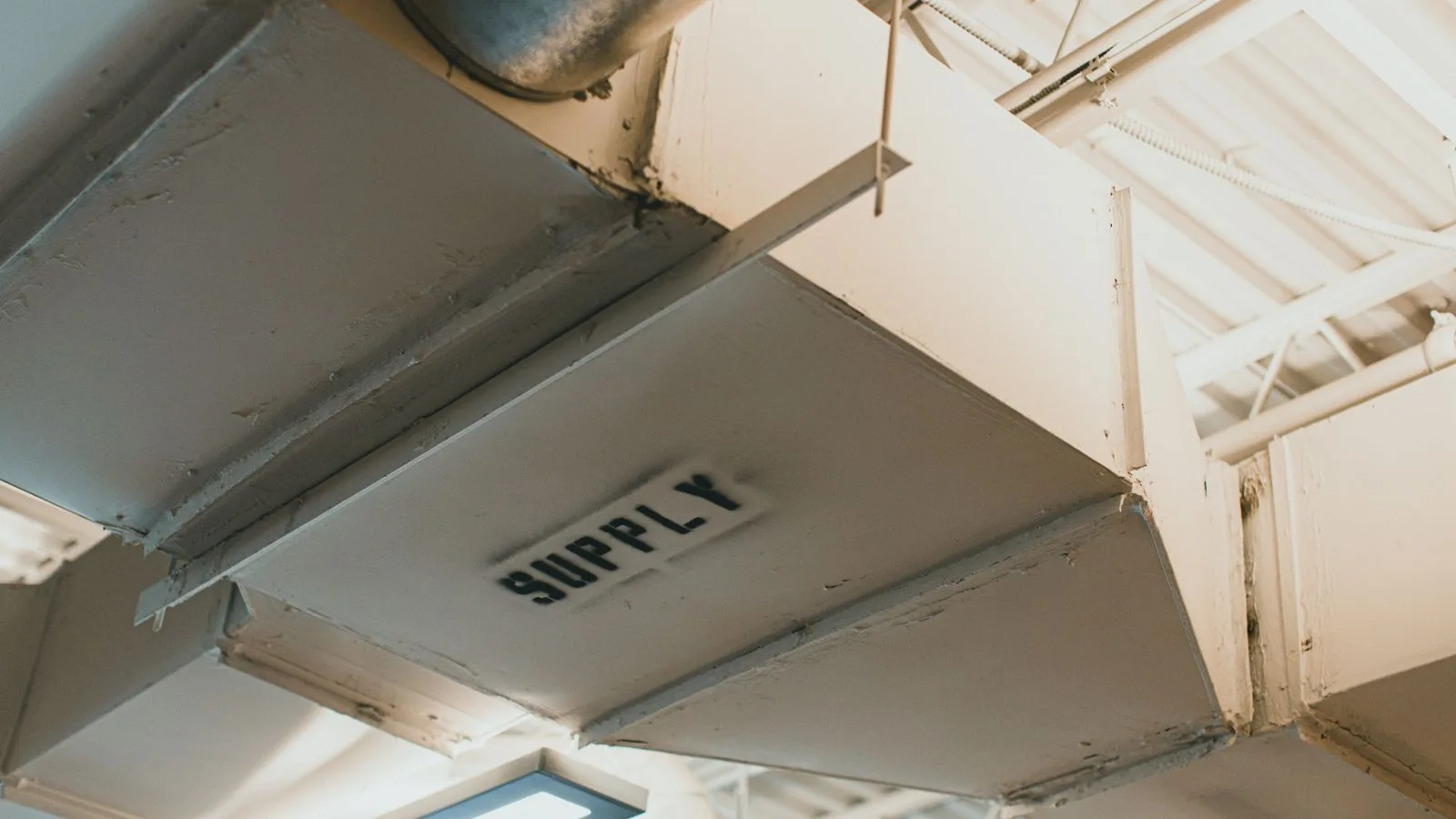

What Is Duct Sealing and Why Does It Matter?
Short answer: duct sealing closes gaps and leaks in your home’s air ducts so conditioned air reaches its intended rooms instead of escaping into attics, walls, or crawlspaces, which can improve comfort and reduce wasted cooling energy.
Quick answer: Duct sealing involves identifying and closing leaks in ductwork, often with mastic sealant or specialized tape, so more of the cooled or heated air your HVAC system produces actually reaches your living spaces instead of leaking out along the way.
Why ducts develop leaks over time
Ductwork can develop gaps at joints, connections, and seams over time due to age, settling, pest damage, or improper original installation, all of which can allow conditioned air to escape before it reaches your rooms.
In attic-run duct systems, common in much of Florida, leaked air often ends up cooling the attic rather than your living space, which is a significant source of wasted energy.
How duct leaks affect comfort and cost
Leaky ducts can cause uneven cooling between rooms, longer system run times, and higher electric bills, since your HVAC system has to work harder to compensate for air that never reaches its destination.
In some cases, duct leaks can also pull in unconditioned, humid attic air into the return side of the system, which can affect indoor air quality and humidity levels.
What the duct sealing process involves
A technician typically inspects accessible ductwork for visible gaps, disconnected sections, and damaged insulation, then seals identified leaks with appropriate materials rated for HVAC duct use.
In some cases, a duct leakage test can help quantify how much air is being lost before and after sealing, giving a clearer picture of the improvement.
See what solar and battery storage would actually do for your home
We will pull your last 12 months of utility data, model your real consumption, and show you exactly what a system would cost and produce — no obligation, no pressure.
Frequently asked questions
How do I know if my ducts are leaking?
Signs include uneven cooling between rooms, higher-than-expected energy bills, or visibly disconnected duct sections, though a professional inspection is the most reliable way to confirm and locate leaks.
How much energy can duct sealing actually save?
This varies significantly based on the extent of existing leaks and your ductwork’s overall condition, which is why an inspection is the best way to estimate potential savings for your home.
Is duct sealing a DIY project?
Some minor accessible sealing can be done by homeowners, but comprehensive duct sealing, especially in hard-to-reach attic runs, is generally best handled by a professional with proper testing equipment.
How long does duct sealing typically take?
This depends on the size of your home and the extent of the ductwork needing attention, so your technician can give a specific estimate after an initial inspection.
Does duct sealing help with humidity in my home?
It can help by reducing the amount of humid, unconditioned air being pulled into your system from attics or crawlspaces, though overall humidity control also depends on your HVAC system and insulation.
Related guides
- Airflow & duct sealing
- Signs your ductwork is leaking energy (and money)
- HVAC systems
- Home solar, battery and EV charging in Florida
- Get a free energy evaluation
Figures on this page are typical industry averages for planning purposes and assume Florida’s 14.5¢/kWh average residential rate and 5.5 peak-sun hours per day. Your actual numbers will differ based on your utility, roof, and system — request a free evaluation for figures specific to your home.